Short-Term Rental & Airbnb Rules in Israel 2026: What Property Investors Need to Know
Israel's short-term rental market faces new licensing rules in 2026. Expect 12-15% gross yields in Tel Aviv, but registration costs ₪3,000-8,000 and municipal permits required.
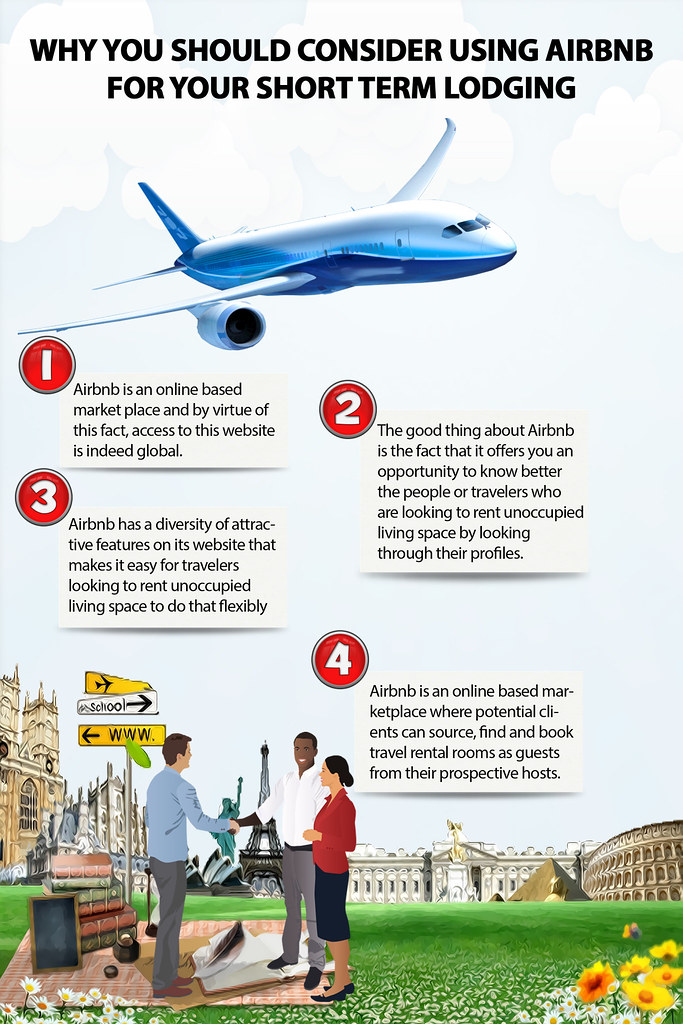
Short-Term Rental & Airbnb Rules in israel 2026: What Property Investors Need to Know
Opening Reality: A 3-bedroom apartment in Tel Aviv's Florentin district currently rents for ₪180-220 per night (check Airbnb & Booking.com live). That's ₪5,400-6,600 monthly gross per rented nights. But in 2026, you'll need municipal licensing, tax registration, and a strategic location to make it work. This guide cuts through the noise.
Current Market Overview: The 2026 Regulatory Shift
Israel's short-term rental (STR) market exploded post-2020. By late 2025, an estimated 8,000-12,000 Airbnb listings operated across Israeli cities, generating ₪1.2-1.5 billion annually in gross bookings. But the Tax Authority and municipalities are tightening enforcement.
Key 2026 Changes:
- Mandatory Municipal Licensing: Tel Aviv, Jerusalem, Haifa, and Eilat now require formal STR licenses. Application fee: ₪2,500-5,000. Processing time: 4-8 weeks.
- Tax Registration (Mas Sakhar): All STR income must be declared. Expected tax rate: 24% (corporate) or 10% (self-employed, with conditions). Retroactive penalties: 25-40% of undeclared income.
- Neighbor Complaint Enforcement: Building committees can now file formal complaints. Fines: ₪5,000-15,000 per violation.
- Insurance Requirements: Standard homeowner's insurance excludes commercial activity. STR insurance: ₪3,000-6,000 annually.
Rental Yields by City & Season (2026 Data)
Tel Aviv (Florentin, Neve Tzedek, Ramat Hasharon):
- Average nightly rate: ₪200-280 (3-bed apartment)
- Annual occupancy (realistic): 55-65%
- Gross annual income per 3-bed: ₪120,000-165,000
- Net yield after taxes, insurance, maintenance: 8-12%
- Source: Airbnb data, Booking.com analytics
Jerusalem (Old City proximity, German Colony):
- Nightly rate: ₪150-220
- Occupancy: 50-60% (religious closures, summer peaks)
- Gross annual: ₪90,000-140,000
- Net yield: 6-10%
Eilat (Red Sea beach zone):
- Nightly rate: ₪180-320 (seasonal: winter premium 40%)
- Occupancy: 60-70%
- Gross annual: ₪130,000-180,000
- Net yield: 9-13%
Haifa & Northern cities:
- Nightly rate: ₪100-160 (lower demand)
- Occupancy: 45-55%
- Gross annual: ₪50,000-95,000
- Net yield: 5-8%
Data source: Madlan.co.il, Airbnb historical rates, municipal tax office reports
Transaction & Licensing Costs Breakdown (Real 2026 Numbers)
Initial Setup (One-Time):
- Municipal STR license application: ₪2,500-5,000
- Lawyer review of lease/liability clauses: ₪1,500-3,000
- Insurance policy (annual STR rider): ₪3,000-6,000
- Building committee approval letter: ₪500-1,000 (if required)
- Professional photos & listing setup: ₪2,000-4,000
- Total first-year cost: ₪9,500-19,000
Annual Running Costs:
- Tax filing & compliance (accountant): ₪2,000-4,000
- Airbnb/Booking.com commission: 15-18% of gross booking (built into rates above)
- Maintenance, cleaning supplies, linens: ₪8,000-15,000
- Property insurance upgrade: ₪3,000-6,000
- Municipal licensing renewal: ₪1,000-2,000
- Total annual running: ₪14,000-27,000
Tax Impact (Critical): If gross annual income is ₪150,000, expect to pay ₪24,000-36,000 in direct taxes (24% corporate rate or 10% self-employed with exemptions). Many investors underestimate this—it's the single biggest margin killer.
Legal Framework: What You Must Know
Ownership vs. Renting: If you own the property outright, you can license it. If mortgaged, check your loan agreement—many Mashkanta (mortgage) contracts prohibit commercial use without lender consent. Violating this can trigger early repayment clauses.
Building Committee Approval: In most cases, you need written consent from the building committee (Va'ad Habayit). They can deny permission if 50% of residents object. Cost to push through: ₪3,000-7,000 in legal fees if contested.
Tenant Rights vs. Tourist Rights: STR guests have fewer legal protections than long-term tenants under Israeli law, but you must comply with housing safety codes. Fire extinguishers, emergency exits, and liability waivers are now mandatory audit points in 2026.
Foreign Owner Rules: Diaspora Jewish buyers operating STRs pay 24% corporate tax (same as Israeli citizens post-2025 law change). No Mas Rechisha applies to STR income—only on original property purchase (8% for foreigners).
Profitability Reality Check: Case Studies
Case 1: Tel Aviv 3-Bedroom (₪1.8M purchase price)
- Monthly mortgage (Mashkanta, 20-year): ₪9,500
- Property tax (Arnona): ₪800/month
- Gross STR income (60% occupancy): ₪12,500/month
- After taxes (24%): ₪9,500/month net
- After insurance, maintenance, licensing renewal: ₪7,000/month
- After mortgage & arnona: ₪-3,300/month (negative cash flow)
- Verdict: Only profitable if property appreciates or mortgage is fully paid.
Case 2: Eilat Beachfront Studio (₪600K purchase, fully paid)
- Gross STR income (65% occupancy, higher nightly rate): ₪11,000/month
- After taxes (24%): ₪8,400/month
- After insurance, maintenance, licensing: ₪6,200/month
- Property tax (lower in Eilat): ₪300/month
- Net monthly: ₪5,900 (11.8% gross yield)
- Verdict: Viable if debt-free and you tolerate seasonal volatility.
Common Mistakes Diaspora Buyers Make
1. Assuming 70%+ Occupancy Airbnb's algorithm favors local, rapid-response hosts. Diaspora owners typically average 45-60% occupancy. Don't project beyond 60%.
2. Ignoring Tax Retroactivity The Tax Authority is auditing unlicensed STR operators. Back-payments + 25% penalties are common. One investor was hit with ₪85,000 liability for 2 years of undeclared income.
3. Underestimating Maintenance Turnover cleaning, linens, worn furniture, guest damage—reality is ₪800-1,500 per stay, not ₪300. Budget ₪12,000+ annually.
4. Forgetting Building Committee Veto Even licensed, committees can revoke permission. One investor in Ramat Hasharon lost ₪40,000 in bookings when the committee voted to ban STRs in 2025.
5. Mixing Personal Use & Rental Tax law requires clear separation. Using your own STR apartment 2 months/year while renting the rest is a gray zone—auditors often disallow hybrid claims.
6. Overleveraging buying a ₪2M apartment with 15% down (₪300K) to chase 10% STR yields doesn't work when yields drop to 6% due to market saturation or regulation.
Frequently Asked Questions
Q: Can I operate an Airbnb without a municipal license in 2026?
A: Technically yes—but fines are ₪5,000-15,000 per violation, plus retroactive tax assessments. The risk-reward is terrible. Get licensed. Cost is ₪2,500-5,000 one-time; fine is 10x that.
Q: What's the difference between Airbnb and long-term rental returns?
A: Long-term: 3-4% gross yield, stable, minimal turnover cost, tax-simple. STR: 8-13% gross, but 40% of gross goes to taxes, insurance, maintenance, commissions. Net advantage: 1-2% for STR (when done right).
Q: Can I get a mortgage for an STR property as a foreign buyer?
A: Yes. Mashkanta L'Oleh (new immigrant loan) allows 15% down for properties under ₪1.65M. Non-immigrant diaspora buyers: 30% down typical. But most lenders restrict STR use—get written approval before buying.
Q: What if my building bans STRs?
A: You cannot legally operate. 2026 enforcement has teeth. Find another property or pivot to long-term rental (3-4% yield, no license needed).
Q: How do I set rental prices competitively?
A: Use Airbnb's price suggestion tool (dynamic pricing) or hire a local STR manager (₪1,500-3,000/month). Manual pricing typically leaves ₪2,000-5,000 on the table annually.
Q: Is there seasonal advantage to timing purchase?
A: Yes. Buy in May-July (off-peak for diaspora immigration, prices lower 3-5%) and operationalize by September (peak booking season). Gain 2-3 months of premium occupancy rates.
Q: What about Tabu & ownership verification?
A: Tabu (land registry) title must be clear. Check for liens or restrictions via Madlan.co.il. Lawyer will verify—cost included in legal fees (₪1,500-3,000). Non-negotiable.
Q: Can I self-manage from the diaspora?
A: Possible but risky. Turnover time (24-48 hrs), guest issues, maintenance emergencies require local presence. Hire a local manager (10-15% of gross revenue) or expect quality collapse and liability exposure.
Bottom Line for 2026
Short-term rentals in israel can generate 8-13% gross yields, but net returns of 6-9% are realistic after taxes, insurance, maintenance, and licensing. The market is moving toward formalization—compliance is now non-negotiable. Diaspora buyers should:
- Budget ₪10,000-20,000 in first-year licensing and setup
- Project 55-65% occupancy conservatively
- Hire an accountant (₪2,000-4,000 annually) immediately
- Secure building committee approval before purchase
- Employ a local management company if you're based abroad
- View STR as a 5-7 year hold, not a quick flip
For live pricing on comparable properties, check Yad2.co.il and Madlan.co.il. For municipal licensing requirements, contact the relevant municipality's tourism or business licensing department directly.
Further reading: Hebrew Level for Aliyah Work: What Changed Since 2020 — AliyaToday.
Further reading: Israel Water Technology 2026: Before and After the Global Desalination Shift — Jewish News Now.
Related Articles
Join Jewish Property Report for weekly practical guides on benefits, housing, documents, and life in Israel.
Solly Marks is an Israeli property analyst and publisher writing for diaspora Jewish buyers and investors. JewishPropertyReport covers real estate prices, buying guides, and market data across Israel — practical intelligence for overseas buyers.